
For attending pilots
Flying here
Everything needed before and during the wave camp — required reading, airspace and paperwork, the airport, and the files for your moving map.
“The best way to get sent to the back of the launch grid is to show up not having studied the published documents.”
Some aspects of safety in wave and mountain flying are presented here, but this is far from a complete discussion, and some of this material is not aimed at beginners. Pilots should strive to develop the judgment that will keep them safe, understanding that mountains such as these can present conditions in which even excellent aircraft and skilled pilots cannot safely fly.
Start here
Required reading
Everyone attending the wave camp is expected to have studied these documents and reviewed the current waiver.
Weather judgment
Mind the window
The wave lives and dies with its window. A day that looks flyable can close overhead within minutes — the question is never whether you are high enough, but whether you can still get down.
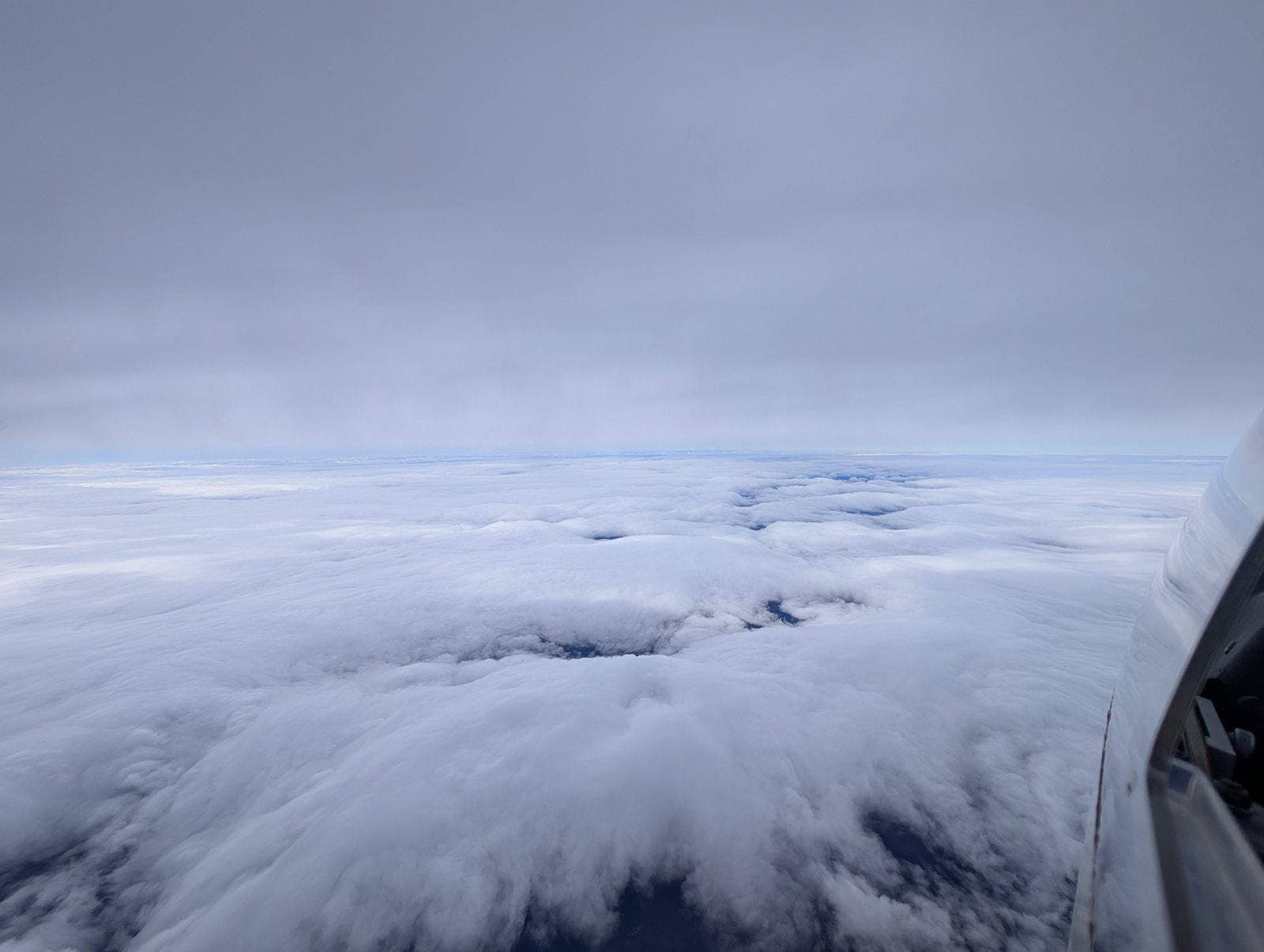
Above 18,000 feet, watch for the upstream openings: if the way in from the west is still clear, you have time. Below that — or on any day when the upstream sky has gone flat — you may get very little warning before the window snaps shut. Keep the downwind escape over Maine in mind as an option rather than a last resort, and choose it while you are still high, not once you are on the cloud tops. The camp's briefings put it shorter still: if it is not clear downwind, don't go up.

Staying sharp
Safety at altitude
Wave camp climbs routinely end above 12,500 feet, and the good ones above 18,000 — where oxygen, not skill, keeps the decisions sound. Read at least the hypoxia article before you fly high.
Legal & airspace
Airspace and paperwork
The FAA legal interpretations behind the airspace operations. The current waiver itself lives in the required reading above.
Gorham (2G8)
Airport information
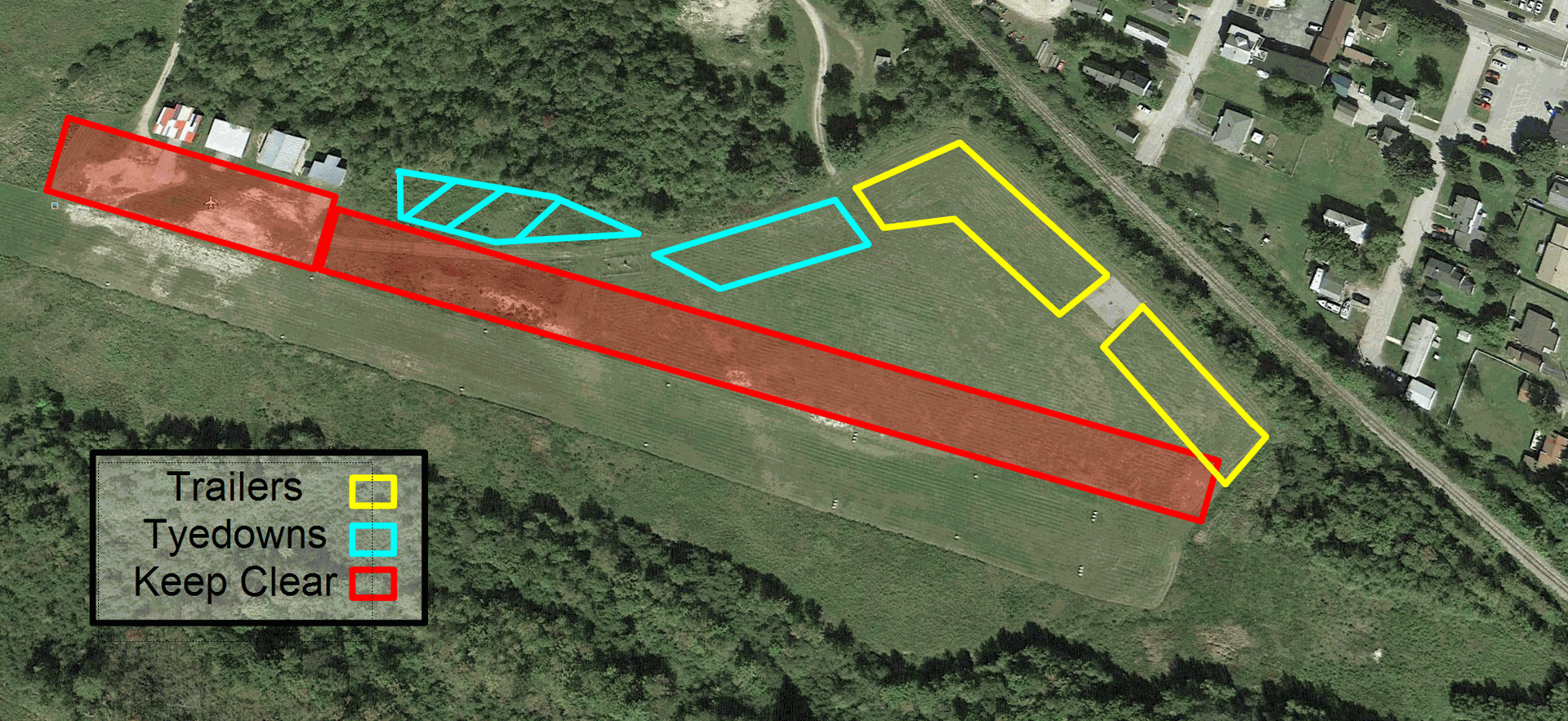
Wave camp operations are based at Gorham Municipal Airport. Print a copy of the procedures — they are briefed at the daily pilots' meetings.
For your moving map
Electronic files
The exchange's current Gorham waypoints and the LOA's Glider Area on one map — with every file in the viewer, built when it is asked for.
loading waypoints…
Gorham area waypoints
The exchange's 250-point package for the wave country — the current file, straight from soaringweb.org.
Glider area airspace
Just the LOA's 10 NM cylinder, 18,000–24,000 ft — for devices that only need the wave airspace.
All USA airspace + glider area
The exchange's current NASR file with the glider area merged in automatically — nothing to keep in step.
Also useful:45-Minute Diamond · IGCLanding places within 100 miles · KMZ for Google Earth
Waypoints and airspace come from the Worldwide Soaring Turnpoint Exchange. The all-USA file is the exchange’s current NASR issue with the glider area merged in at download time, so nothing here has to be kept in step by hand.
The printable chart — range rings on paper
The wave country from above at 1:450,000 on a full tabloid sheet: grey dotted 5 NM glide rings around Gorham (2G8), each labelled with the altitude home to 1,000 ft; the exchange's turnpoints, airports marked with airplane icons; the rivers and lakes — and the LOA's glider area ringed in red on the map and enlarged as the corner disc.
Camp paperwork
Camp documents
The camp information package and paperwork from past encampments.
Going somewhere
Wave cross-country flights
When flagpole sitting in wave becomes routine, the area offers meaningful cross-country routes — but the landing options on the northern routes are sparse and sometimes distant from the course line.
The original “Mt. Washington Area Wave Cross-Country Glider Flights” document describes some possible routes. Not only the condition, but even the existence of some of the reported landing areas must be confirmed before attempting these routes. The original file has not been recovered.